

Freelancer Social Media Ads in Dubai, Sharjah, Ajman, UAE
January 20, 2025
Why Hiring a Freelancer Makes Sense
February 21, 2026
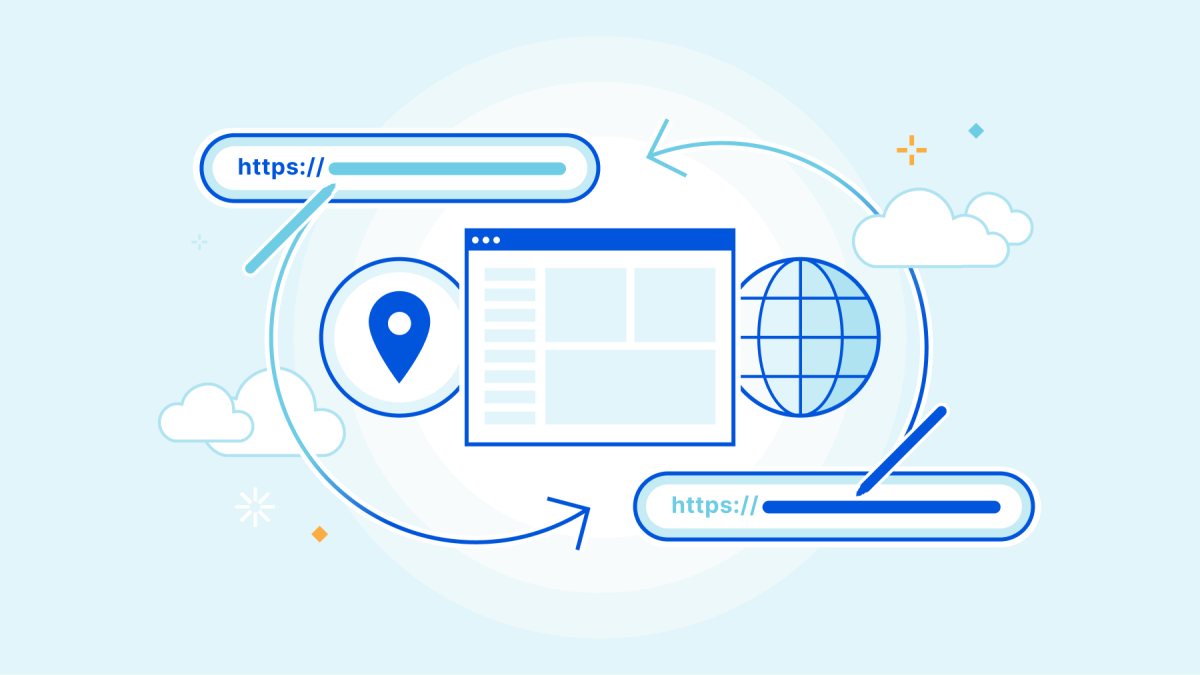
Website migration is one of the most sensitive SEO processes. If handled incorrectly, it can cause ranking drops, traffic loss, and backlink value decline.
As an SEO freelancer in Dubai, I’ve seen businesses lose months of progress simply because redirects were done incorrectly. The good news? When structured properly, you can migrate safely without losing rankings.
Why Redirects Matter for SEO
Search engines evaluate:
-
Page authority
-
Backlink signals
-
Content relevance
-
Internal linking structure
-
Technical health
If a page suddenly disappears without a proper redirect, Google treats it as removed — which means rankings may drop.
This is why structured migration is part of advanced search engine optimization strategy.
Step 1: Always Use 301 Redirects
A 301 redirect tells Google the page has permanently moved.
This allows:
-
Transfer of link equity
-
Preservation of ranking signals
-
Continuity of indexing
Avoid:
-
302 redirects
-
JavaScript redirects
-
Redirect chains
If you’re migrating to a new brand like DM Creative Pro, every old URL should map to the most relevant new URL — not the homepage.
Step 2: Match Old Pages to Relevant New Pages
Do not redirect all pages to the homepage.
Correct structure:
Old Service Page → New Equivalent Service Page
Old Blog → New Related Blog
Old SEO Page → New SEO Page
This keeps topic relevance intact and protects keyword rankings.
Step 3: Keep Core Keyword Intent
If your old page ranked for:
“SEO Freelancer in Dubai”
Your new page must:
-
Keep similar search intent
-
Maintain keyword structure
-
Improve content depth
-
Maintain heading hierarchy
This is critical during rebranding or domain migration.
Step 4: Update Internal Links & Sitemap
After redirecting:
-
Update navigation menu
-
Update footer links
-
Replace old internal URLs
-
Generate new sitemap
-
Submit sitemap in Google Search Console
This speeds up re-indexing.
If you’re rebuilding under a new brand like DM Creative Pro, clean internal structure strengthens topical authority.
Step 5: Monitor Search Console Closely
After migration:
-
Check Coverage report
-
Monitor crawl errors
-
Track indexing status
-
Watch keyword movement
Temporary fluctuations are normal for 2–6 weeks.
Do not panic and start changing titles repeatedly.
Stability builds trust signals.
Step 6: Strengthen New Domain Authority
Once redirects are active:
-
Update Google Business Profile
-
Update social media links
-
Update directory listings
-
Add fresh blog content
-
Build internal links to main services
For example:
This blog should internally link to:
This passes authority directly.
Common Mistakes That Kill Rankings
❌ Redirecting everything to homepage
❌ Blocking crawlers in robots.txt
❌ Removing content completely
❌ Changing page topics
❌ Not updating sitemap
❌ Using temporary redirects
Technical precision matters.
How Long Does SEO Recovery Take?
Small websites: 2–4 weeks
Medium websites: 4–8 weeks
Large websites: 2–3 months
If done properly, rankings usually return stronger.
Final Thoughts
Redirecting a website does not mean losing SEO.
With proper 301 redirects, consistent content intent, and structured optimization, your rankings can remain stable — even during full rebranding or domain migration.
If you’re planning a migration and want to protect your rankings in Dubai’s competitive market, professional guidance can prevent costly mistakes.